Knowing the Game Inside Out
A shoutcaster who isn’t deep in the weeds of the current meta isn’t ready to grab the mic. Ahead of any major event, the prep starts at game level: patch notes, tier lists, balance tweaks, and the ripple effects they cause. Who got buffed? Who got nerfed? What’s dominating scrims and ladder play? This stuff matters it’s the lens through which every pick, ban, and micro decision gets framed.
But knowledge of the game’s mechanics isn’t enough. Casters study player behaviors too. They dig into team comps, synergy patterns, and predictable strat calls. Watching hours of VODs isn’t glamorous, but it reveals how a player likes to engage, how teams rotate, and where things might break open mid series.
Stats help paint the long view. Win rates, clutch percentages, early game control it’s all tracked. Not just for trivia, but for spotting trends: who’s heating up, who’s plateauing, who’s falling off. These details give commentary sharpness. It’s not about sounding smart it’s about making what’s happening on screen feel alive, textured, and grounded in context.
Researching the Players
No caster shows up blind. If you’re stepping into a major event, you need to know the players as well as the back of your hand. That starts with building full profiles strengths, weaknesses, signature picks, play history. If someone’s known for pulling off aggressive jungle invades or clutch sniper shots under pressure, you better have that info ready to go.
Social feeds, team updates, and interviews are gold mines. They tell you who’s been grinding, who’s had burnout, who just swapped roles last week. Half the story gets told before the first match starts. A tweet about a wrist injury? That changes expectations. A team suddenly changing lineups? That’s tension in the making.
Casting isn’t just about the plays you’re narrating human drama. Recognizing small habits, like a player who always heat checks in early games or one who never lane swaps, gives you real time insight. Layer in emerging grudges, former teammates turned rivals, or two teams with history that’s where storytelling kicks into overdrive. The best casters don’t just call what’s happening they make you feel why it matters.
Crafting a Flexible Script
Great casting doesn’t happen off the cuff. The best shoutcasters head into events with a loose but loaded script. That starts with mapping out story beats narratives about rivalries, comebacks, underdog players, or legacy redemption arcs. These aren’t just filler stories; they’re anchors that give context when the match starts moving in unexpected directions.
Catchphrases and signature lines aren’t cheesy if they’re intentional. A strong one liner punctuates a big play and sticks with fans. Casters build out a small arsenal of phrases tailored to the game and the moment plus some situational riffs that keep things feeling fresh.
Then there’s the glue: transitions. Going from a nail biting teamfight to a replay breakdown needs finesse. You have to keep the pulse high but land enough technical insight to satisfy core fans. That means practice. Casters do dry runs, mock transitions, and run mixed speed highlight reels to keep their rhythm sharp.
It all adds up to controlled chaos, where the energy feels spontaneous but every shout has a structure behind it.
Tech Check and Voice Training
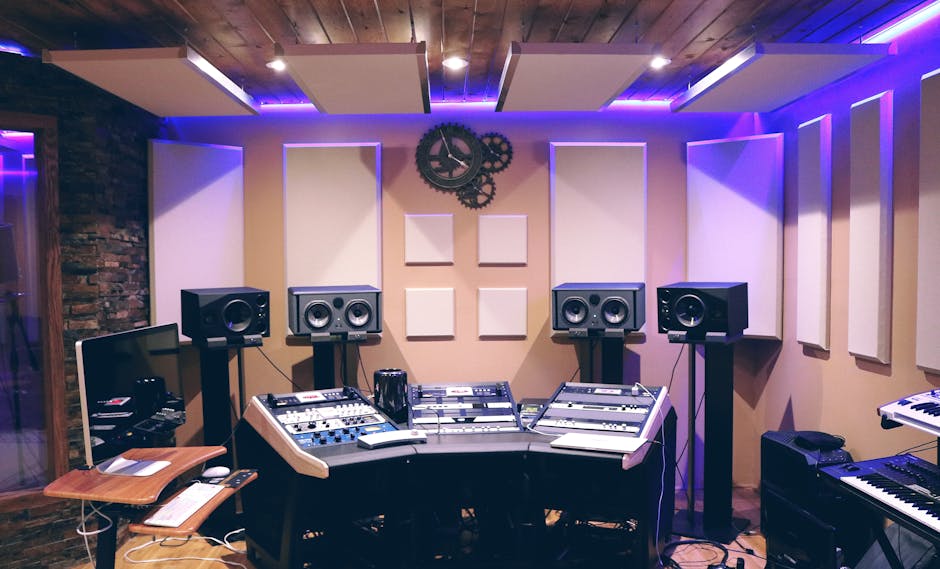
Before a major event, pro shoutcasters don’t leave anything to chance. Audio is make or break no one wants to be the caster with a fuzzy mic or off balance levels mid match. That’s why gear calibration is usually step one. Dialing in the mic gain, eliminating background hum, testing stream latency it’s a gear ritual that’s non negotiable.
But the voice? That’s the real tool. Long casting days can stretch into six or seven hours, depending on the schedule. Vocal burnout is real. So casters warm up like athletes: humming exercises, breath control, lip trills. It may look ridiculous backstage, but it saves your voice when a best of five goes the distance.
Then there’s the stress test simulating live chaos. What happens if both squads team fight while a surprise patch change suddenly flips a mechanic mid match? Casters run drills for that. They recreate tempo shifts, unexpected moments, and dud tech just to sharpen their instincts. Because once you’re live, there’s no room for panic only control and flow.
Collaborating with Production Teams
Behind every clean broadcast is a team of people who don’t get mic time but make sure yours counts. Before game day, shoutcasters sit down with directors and producers to sync on the technical backbone of the event. That means understanding when camera switches happen, how transitions are timed, and which overlays are coming on screen and making sure your commentary doesn’t clash with them. Good casting doesn’t just ride the production it flows with it.
Show flow matters. Caster teams walk through the entire run of show before the feed goes live. Where are the segment breaks? When does the sponsor plug roll in? If there’s a replay segment or analyst desk swap, you’d better know your cue. That kind of planning helps avoid dead air or awkward filler.
And then there’s tandem casting. Whether it’s a duo or three person desk, casters plan how to pass the mic. Who takes the lead on tense mid game fights? Who resets the story after a pause? These aren’t decisions you make on the fly. Working out rhythm ahead of time based on personalities, pacing, and the event’s tone means smoother deliveries and zero stepping on toes.
Staying Current with Industry Trends
Casting today isn’t just about calling plays it’s about meeting the moment. Esports has matured, and so have its fans. Presentation expectations are sharper. Gone are the days when yelling over chaotic gameplay was enough. Modern viewers want clarity, clean visuals, and casters who bring energy without sacrificing information.
Keeping pace means understanding where the audience is and how they consume content. What feels natural on Twitch might come off too raw for YouTube, or too casual for a broadcast partner. A good caster adjusts not by changing their voice, but by tuning their delivery. Punchy pacing for Twitch chat. Structured storytelling for YouTube replays. Crisp professionalism for TV spots. Know the platform, shape the cast.
Then there’s the rise of cross platform play. More games are blending players from console, PC, and even mobile. That changes everything, from commentary angles to player dynamics and viewers want you to know the nuances. Knowing how a low sensitivity PC sniper versus a high aim assist console rusher plays out? That’s the kind of insight that sets high tier casters apart.
The bottom line: casting in 2024 means being a student of the scene. Watch how major tournaments are packaged. Take note of how game mechanics evolve across platforms. Match the tone to the moment. The better you adapt, the more your voice stays relevant.
Related Reading: The Future of Cross Platform Play According to Developers
Mental Prep for the Big Stage
No matter how many matches you’ve casted, going live still hits different. The lights go up, the clock starts ticking, and your voice is suddenly the one guiding thousands sometimes millions through the chaos. Adrenaline is part of the job, but it doesn’t need to own you. Veteran casters keep nerves in check with simple routines: controlled breathing, short mental resets, and quiet moments before broadcast help sharpen focus instead of letting energy spiral.
Mindfulness isn’t some abstract concept it’s your edge when predictions go sideways or matches flip on a dime. The best in the booth stay centered. They watch, listen, and react without panic. Even in multi day marathons where fatigue sets in, staying mentally agile is non negotiable. Quick notes between games, pacing your caffeine, and slipping into mini recovery windows off camera can mean the difference between finishing strong or fading out mid series.
Casting at the top level isn’t about pushing through stress it’s about managing it like a pro. Get your head right before the mic goes hot, and the rest starts falling into place.
Final Thoughts
At the end of the day, top tier casting is a mix of gritty prep and genuine love for the game. You can’t wing it. The voices that stand out in 2026 are the ones that do their homework, stay sharp, and bring something extra to the mic whether it’s sharp analysis, player backstories, or a knack for turning a clutch moment into something unforgettable.
Great shoutcasters sit at the intersection of three roles: entertainer, analyst, and ambassador. They get the audience hyped without losing clarity. They catch the details the casual viewer misses. And they keep things moving when the action slows down. That range doesn’t happen by accident. It’s built from watching countless VODs, reading patch notes, learning player patterns, syncing with production crews, and still finding time to care.
Bottom line? Preparation makes the hype real. Not just loud. If you’re not willing to dig in beforehand, the mic will expose you.
 Torveth Quenthos has opinions about player strategy guides. Informed ones, backed by real experience — but opinions nonetheless, and they doesn't try to disguise them as neutral observation. They thinks a lot of what gets written about Player Strategy Guides, Game Reviews and Ratings, Esports Insights and Analysis is either too cautious to be useful or too confident to be credible, and they's work tends to sit deliberately in the space between those two failure modes.
Reading Torveth's pieces, you get the sense of someone who has thought about this stuff seriously and arrived at actual conclusions — not just collected a range of perspectives and declined to pick one. That can be uncomfortable when they lands on something you disagree with. It's also why the writing is worth engaging with. Torveth isn't interested in telling people what they want to hear. They is interested in telling them what they actually thinks, with enough reasoning behind it that you can push back if you want to. That kind of intellectual honesty is rarer than it should be.
What Torveth is best at is the moment when a familiar topic reveals something unexpected — when the conventional wisdom turns out to be slightly off, or when a small shift in framing changes everything. They finds those moments consistently, which is why they's work tends to generate real discussion rather than just passive agreement.
Torveth Quenthos has opinions about player strategy guides. Informed ones, backed by real experience — but opinions nonetheless, and they doesn't try to disguise them as neutral observation. They thinks a lot of what gets written about Player Strategy Guides, Game Reviews and Ratings, Esports Insights and Analysis is either too cautious to be useful or too confident to be credible, and they's work tends to sit deliberately in the space between those two failure modes.
Reading Torveth's pieces, you get the sense of someone who has thought about this stuff seriously and arrived at actual conclusions — not just collected a range of perspectives and declined to pick one. That can be uncomfortable when they lands on something you disagree with. It's also why the writing is worth engaging with. Torveth isn't interested in telling people what they want to hear. They is interested in telling them what they actually thinks, with enough reasoning behind it that you can push back if you want to. That kind of intellectual honesty is rarer than it should be.
What Torveth is best at is the moment when a familiar topic reveals something unexpected — when the conventional wisdom turns out to be slightly off, or when a small shift in framing changes everything. They finds those moments consistently, which is why they's work tends to generate real discussion rather than just passive agreement.