
Understand the Local Esports Scene
Getting into amateur esports in your city starts with knowing where the action happens. Skip the guesswork start with platforms that gamers actually use. Local Discord servers are goldmines; they’re where brackets are built, memes are shared, and announcements drop first. Search for city specific or regional gaming servers. Facebook groups still pull weight too, especially with older players organizing recurring meetups. Reddit threads like r/[yourcity] or r/LocalEsports often have pinned resources or weekly event posts.
Now, venues. You’re not looking for stadiums you’re looking for game dens with good vibes and stable Wi Fi. Gaming cafés are still go to spots for casual tournaments and practice nights. College campuses often host open brackets, even if you’re not a student. Keep an eye on community centers too; they sometimes host low key events or partner with local orgs to run LAN nights.
Lastly, know your regional favorites. Don’t come in hot with a niche title that only you and two friends play. Stick to the crowd pullers games like Valorant, Rocket League, and Smash Bros are staples because they bring in players across skill levels. When in doubt, ask around. These scenes are built off word of mouth and consistent turnout. Show up, play well, stay cool.
Get the Right Gear and Setup
Before you step into your first amateur esports event, it’s important to evaluate your gear and ensure you’re tournament ready. While many local tournaments have equipment on site, bringing your own gear is often preferred and sometimes required.
Must Have Gear for Competitive Play
To compete at your best, your hardware matters. Here’s the essential setup checklist most players rely on:
Wired internet connection: A stable, low latency connection is non negotiable. Wi Fi may be convenient, but it introduces unnecessary lag.
Controller/mouse preference: Know what you’re comfortable with. Tournaments typically allow personal gear, so bring what you’ve practiced with.
Headset with microphone: Clear communication is key for team games. A headset with good audio quality and a functional mic enhances in game coordination.
Optimize for Tournament Conditions
Prepping your equipment for a controlled and competitive environment helps eliminate unforeseen problems during the event. Focus on:
Latency: Use high response peripherals and test them beforehand. Lower latency can mean faster reaction times.
Resolution and display settings: Go with what you’re accustomed to in casual play. Avoid making major changes before the event.
Comfort: Whether you’re sitting for 15 minutes or 2 hours, your setup should support posture, focus, and hand health.
Run a Self Check Before You Go
Performing a quick technical and physical run through at home can save stress on game day. Here’s how:
Boot up any system you’re bringing to ensure updates and driver functionality are current.
Test your peripherals (controller, keyboard, headset) in a gameplay scenario.
Pack backup cables, charging cords, and any gear specific adapters needed for event setups.
Review the tournament’s gear rules some require standard button layouts or disable macros.
Preparing your setup ahead of time shows respect for the game and the community, and it increases your chances of a smooth and successful competition experience.
Create Your Player Profile
Start with your gamer tag. Keep it simple, memorable, and unique something that sticks in spectators’ minds and looks clean on a scoreboard. Avoid complicated spellings or numbers that make your name hard to search. This is your brand treat it like one.
Next, get yourself on the right platforms. Battlefy, Smash.gg, and Start.gg aren’t just tournament listings; they’re your digital resume. Create a profile, list the games you play, and plug in your achievements, placements, and stat lines. These platforms are often the first place organizers and potential teammates check when scouting new players.
Finally, put your skills on display. Upload highlight clips, link to your Twitch or YouTube, and keep it all current. Active profiles with updated footage and stats get more attention and more invites. Think less about looking perfect, more about showing progress. People want to see your grind.
Network with Local Gamers
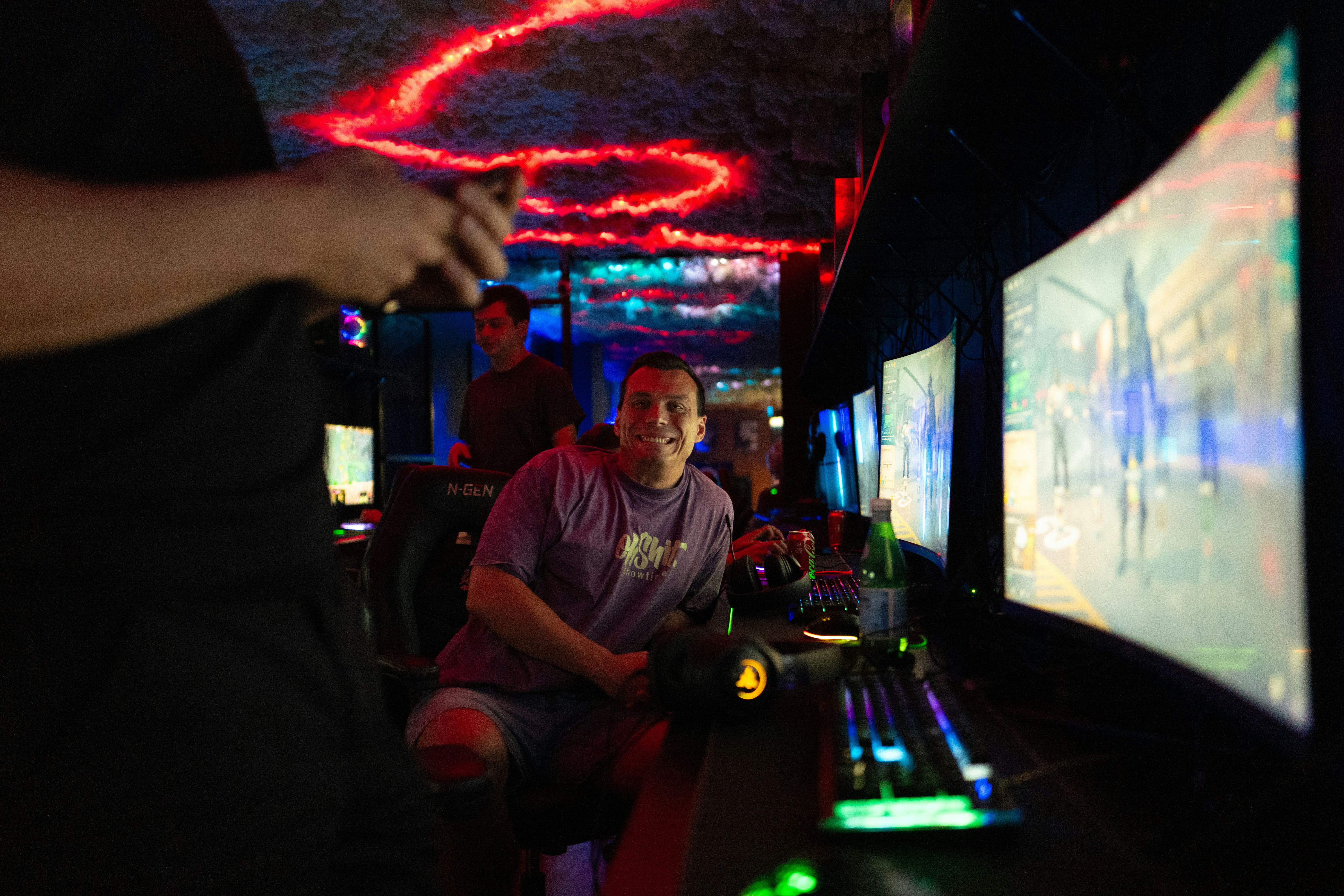
Breaking into the amateur esports scene isn’t just about skills it’s about who you know and how often you show up. If you’re flying solo or trying to assemble a squad, start by finding your local hubs. Discord servers are the heartbeat of most amateur communities. Look for city based or game specific servers many have dedicated LFG (Looking for Group) channels or pickup match nights.
Don’t overlook grassroots forums like Facebook groups or subreddits tied to your region. Casual meetups often lead to tournament invites. If you’re new and trying to leave an impression, volunteer. Events always need help whether it’s bracket management, setup, or streaming. It’s low glamour work, but it builds trust, gets your face known, and puts you one step closer to a team or a regular spot in local events.
Ready to make the leap? (Learn more about attending esports events).
Register and Show Up
Finding your first open bracket isn’t rocket science, but it does take some digging. Start with platforms like Start.gg, Challonge, and Battlefy they’re the backbone for most grassroots tournaments. Filter by location and game. Local Discord servers and Facebook groups usually have pinned announcements, and most gaming cafés post flyers or event listings in store or on their socials. Ask around. Don’t wait for a golden invitation these events are built for walk ons.
Register early when you can. Many brackets cap registration based on setups and venue space. That means first come, first locked in. Registration fees usually run cheap anywhere from $5 to $20, depending on whether it’s casual or prize backed. Some venues require on site payment, others use PayPal or other digital wallets. Check instructions carefully. Know your game version, any character bans, and the format (single/double elimination, best of series, etc.).
Your first local event will probably feel chill but competitive. No velvet ropes or flashing lights just extension cords, folding tables, and gamers locked in. Expect to bring your own controller or fightstick. Arrive early for check in and warm up. Rules are outlined up front, but etiquette matters: don’t hover, don’t ghost a match, and definitely don’t argue with bracket runners. Most of all, keep your ego in check. These events are less about crushing enemies and more about gaining reps and becoming part of the scene.
Stay Consistent and Level Up
If you’re serious about climbing in esports, consistency isn’t optional it’s your edge. Every local event you attend is a chance to practice under pressure, test your nerves, and get real, meaningful reps. Don’t treat small brackets as throwaways. Treat them like stage time.
After each match, do more than just move on. Ask teammates or opponents for quick feedback. Watch your recordings. Break down the moments you slipped up, and lock in the ones you nailed. These self review habits compound over time and they separate casual players from the ones who get noticed.
Keep showing up. Players who stick around, improve visibly, and show they can take losses without making a scene earn a rep. And in these spaces, a good rep matters. Organizers remember you. Teams scout you. Sponsors notice your grind. Regional recognition doesn’t come from one breakout tournament it comes from showing up, again and again, sharper each time.
Still unsure about how to make the most of local opportunities? Dive into this helpful guide on attending esports events.
Bonus: Take It Beyond Your City
If you’ve got a few solid local events under your belt and feel like small brackets aren’t pushing you anymore, it’s time to scale up. Regional and state tournaments offer tougher competition, larger venues, and higher stakes. Start browsing sites like Start.gg and Battlefy for events outside your city. Look for those with verified brackets, consistent rule sets, and returning players.
Don’t just rely on word of mouth either your online presence starts to matter more here. Create highlight reels, recap your matches, and post updates on socials or gaming forums. It helps scouts, teams, and sponsors keep you on their radar. Think of it as your portable resume.
And when you’re confident enough? Consider joining a tournament circuit or league. These multi event series can fast track you into the semi pro or collegiate scene. They also teach you consistency under pressure arguably the most valuable skill at this level.
Building upward takes time, but every event outside your comfort zone moves you closer to a real shot at competitive esports.
 Torveth Quenthos has opinions about player strategy guides. Informed ones, backed by real experience — but opinions nonetheless, and they doesn't try to disguise them as neutral observation. They thinks a lot of what gets written about Player Strategy Guides, Game Reviews and Ratings, Esports Insights and Analysis is either too cautious to be useful or too confident to be credible, and they's work tends to sit deliberately in the space between those two failure modes.
Reading Torveth's pieces, you get the sense of someone who has thought about this stuff seriously and arrived at actual conclusions — not just collected a range of perspectives and declined to pick one. That can be uncomfortable when they lands on something you disagree with. It's also why the writing is worth engaging with. Torveth isn't interested in telling people what they want to hear. They is interested in telling them what they actually thinks, with enough reasoning behind it that you can push back if you want to. That kind of intellectual honesty is rarer than it should be.
What Torveth is best at is the moment when a familiar topic reveals something unexpected — when the conventional wisdom turns out to be slightly off, or when a small shift in framing changes everything. They finds those moments consistently, which is why they's work tends to generate real discussion rather than just passive agreement.
Torveth Quenthos has opinions about player strategy guides. Informed ones, backed by real experience — but opinions nonetheless, and they doesn't try to disguise them as neutral observation. They thinks a lot of what gets written about Player Strategy Guides, Game Reviews and Ratings, Esports Insights and Analysis is either too cautious to be useful or too confident to be credible, and they's work tends to sit deliberately in the space between those two failure modes.
Reading Torveth's pieces, you get the sense of someone who has thought about this stuff seriously and arrived at actual conclusions — not just collected a range of perspectives and declined to pick one. That can be uncomfortable when they lands on something you disagree with. It's also why the writing is worth engaging with. Torveth isn't interested in telling people what they want to hear. They is interested in telling them what they actually thinks, with enough reasoning behind it that you can push back if you want to. That kind of intellectual honesty is rarer than it should be.
What Torveth is best at is the moment when a familiar topic reveals something unexpected — when the conventional wisdom turns out to be slightly off, or when a small shift in framing changes everything. They finds those moments consistently, which is why they's work tends to generate real discussion rather than just passive agreement.