
Major Game Releases Making Waves
This month has been anything but quiet in the world of gaming. Several high profile launches hit the market, and a few of them didn’t just meet expectations they steamrolled right past them. Leading the charge is “Eclipse Protocol,” an open world, sci fi thriller that’s already outpacing last year’s biggest releases in pre orders and day one downloads. Its intricate world building and real time decision making systems have made it a magnet for streamers and lore hunters alike.
Also making noise is “Warden’s Veil,” a survival horror that leans hard into atmospheric dread and minimal UI clearly designed with horror purists in mind. The genre’s having a bit of a moment this month, with at least three new survival focused titles cracking the top download charts in North America.
Hybrid gameplay is also trending: think narrative meets roguelike, or sandbox building wrapped in tactical combat. “DriftSignal: Aftermath” is a prime example a gritty urban sim where choices carry weight, but combat is relentless and procedurally twisted.
The big takeaway? Gamers aren’t just after flashy. They want depth, replayability, and mild existential dread the good kind.
Studio Shakeups & Publisher Moves
This month, the power dynamics in the gaming industry got a serious reshuffle. First, the big one: Nexon officially acquired Supergiant Games, a move few saw coming. The deal signals a push into premium indie territory for Nexon, which has traditionally leaned into online and mobile first markets. On the flip side, Emberworks Interactive best known for its cult hit ‘Red Sector’ quietly closed its doors after nearly a decade, citing mounting costs and shifting publisher priorities.
Leadership transitions are also making headlines. Square Enix’s global CEO stepped down, passing the baton to a new face promising a “less sequel heavy future.” Over at Ubisoft, a wave of upper management changes follows internal restructuring meant to “increase creative flexibility” a vague statement that likely translates to fewer bloated rollouts and tighter dev cycles.
Meanwhile, indie developers aren’t just watching they’re adapting. Studios like Deeproot and CatCave are leaning harder into self publishing, ramping up crowdfunding, and even forming micro collectives to share tools, talent, and marketing muscle. Their growth isn’t just a protest it’s strategic survival. When the giants shift, smaller teams find the cracks worth slipping into.
Tech Upgrades in 2026 Titles
The tech under the hood of 2026’s most anticipated titles is getting leaner, meaner, and shockingly smart. Unreal Engine 6 has officially stepped into the spotlight, bringing near photorealistic lighting, physics, and fluid animation without draining every watt from your GPU. Games powered by it aren’t just prettier they’re fuller. Expect richer open worlds, seamless transitions, and smarter load balancing across platforms.
Cross platform play isn’t just a bonus anymore; it’s baseline. Studios are converging around new standards that make platform loyalty less of a barrier. Whether it’s console to PC matchmaking or persistent progression that follows you from your phone to your desktop, the walled gardens are crumbling fast and gamers are better off for it.
But the real wildcard is AI. It’s no longer just handling crowd filler and pathfinding. Developers are using machine learning to create NPCs that actually learn, react, and adapt. In some new titles, every playthrough can feel fundamentally different not because a developer hand coded the variance, but because the game world recalibrates based on your choices. It’s subtle. It’s eerie. And it’s starting to feel alive.
The ceiling keeps rising. But so do expectations. Players want immersion without compromise, and in 2026, the tech is finally catching up to the hype.
Esports & Streaming Scene Updates
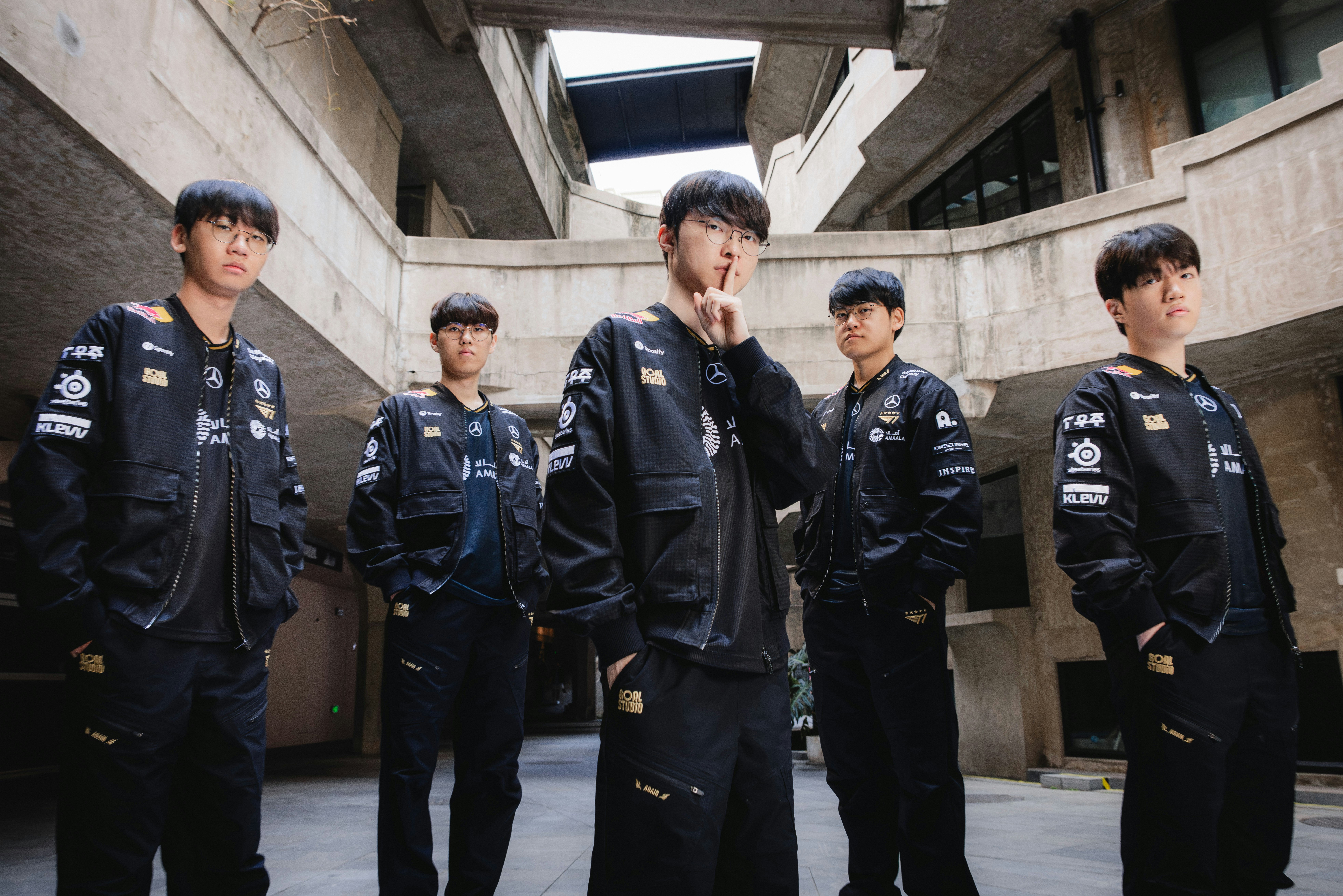
Competitive gaming isn’t just alive it’s exploding. This month, keep an eye on the Intel Extreme Masters (IEM) and Valorant Champions Tour events. These aren’t just hype tournaments they’re benchmarks for how production, player engagement, and international talent are evolving in real time.
As for streamers, the people setting the competitive tone don’t just play well they shape culture. Think less about follower count and more about who’s influencing metas, pacing, and what games make it into weekly discussions. Players like TenZ and Scump may not be the newest names, but their streams remain roadmaps for aspiring pros and entertainment minded gamers alike. Late blooming creators are also leveraging TikTok and YouTube Shorts to sidestep traditional long form grind and break into the spotlight.
Game developers get it. Esports is no longer a side feature it’s being designed into games from day one. Riot, Blizzard, and even smaller indie studios are building competitive frameworks, training modes, and viewership integrations to lock in player attention. Expect more titles where ranked ladders, in game tournaments, and creator collabs are standard, not extra. Competitive gaming is no longer a subset of gaming culture it’s becoming the scaffolding.
Trailers That Lit Up the Internet
It’s that time again when a single trailer can break fan forums, ignite Reddit threads, and flood YouTube comment sections. This month, cinematic teasers and gameplay previews didn’t just hype up known franchises they rewired expectations.
The drop of the long rumored “Eclipse Protocol” trailer had fans dissecting every frame. Is the masked antagonist a rebooted character from the original trilogy? Is that time jump scene hinting at a multiverse angle? Speculation is off the rails and that’s the point. Studios know what they’re doing. Rapid cut editing, cryptic dialogue, and familiar motifs are engineered to stir theory crafting long before a release date’s even in play.
Even indies got their moment. A 90 second clip for the pixel based thriller “Driftloom” went viral after it teased just enough weirdness (talking statues, collapsing dreamscapes) to get the attention of lore hunters. No famous IP needed just sharp pacing and a hint of something genuinely new.
And then there’s the wave of confident silence. No release windows, no playable demos just a trailer and a logo fadeout. Gamers are watching. Obsessing. Waiting.
For a closer look, check out Top 5 Game Trailers That Broke the Internet This Week.
Future Facing Trends to Watch
After years of pushing standalone subscriptions, the gaming industry is starting to feel the sting of user fatigue. Gamers are hitting their limits. Too many monthly charges, not enough value. In response, we’re seeing a noticeable shift: bundled gaming platforms are gaining ground. Think of it as the Netflix ification of gaming aggregations like Game Pass and PlayStation Plus are now absorbing more individual services under one umbrella. Expect more consolidation, tighter ecosystems, and all access passes that reward loyalty over fragmentation.
Meanwhile, mobile gaming is zigging where no one expected. In 2026, it’s less about mindless microtransactions and more about immersive, near console quality experiences. Thanks to hardware upgrades and cloud gaming stability, phones are handling bigger titles with smoother graphics and better controls. This isn’t just Candy Crush 3.0 it’s full scale RPGs and strategy games designed for serious, on the go players.
Environmental impact is also getting its own spotlight. Studios are under pressure to clean up their production practices. Whether it’s cutting down on energy used in server farms or developing carbon neutral workflows, sustainability is no longer a side conversation. Public perception (and pressure) is real. Gamers are asking questions, and studios that can’t answer them are slipping out of favor. Expect green credentials to become a key selling point in the years ahead.
The industry isn’t just evolving it’s recalibrating. And if you’re not watching these signals, you’re already behind.
Fast Recap Worth Knowing
Let’s keep it tight.
This month’s most downloaded title? That goes to Neon Rift: Echo Protocol, a surprise breakout on both console and PC. No huge marketing push, just a killer gameplay loop and sharp word of mouth. It’s proof that polished mechanics and tight world building still matter.
As for the wildest twist in a AAA title, give it up for Dominion Core IX. In Act III, your main antagonist is revealed to be you. Or rather, a time echo version of you corrupted by an earlier decision tree players barely registered. The forums lit up. The walkthroughs had to be rewritten. Nobody saw it coming, and that’s rare.
Now, let’s talk buzzwords. Everyone’s tossing around terms like “procedural social storytelling” and “dynamic latency compensation.” Here’s the one that might actually change things: “neural sync AI.” Still early, but devs are experimenting with it to create NPCs that remember conversations even subtle choices and adapt in real time. If it sticks, it could kill the rinse repeat quest structure for good.
Stay sharp this month proves the gaming world isn’t slowing down any time soon.
 Thomas Salasticsen has opinions about esports insights and analysis. Informed ones, backed by real experience — but opinions nonetheless, and they doesn't try to disguise them as neutral observation. They thinks a lot of what gets written about Esports Insights and Analysis, Game Reviews and Ratings, Upcoming Tournaments and Events is either too cautious to be useful or too confident to be credible, and they's work tends to sit deliberately in the space between those two failure modes.
Reading Thomas's pieces, you get the sense of someone who has thought about this stuff seriously and arrived at actual conclusions — not just collected a range of perspectives and declined to pick one. That can be uncomfortable when they lands on something you disagree with. It's also why the writing is worth engaging with. Thomas isn't interested in telling people what they want to hear. They is interested in telling them what they actually thinks, with enough reasoning behind it that you can push back if you want to. That kind of intellectual honesty is rarer than it should be.
What Thomas is best at is the moment when a familiar topic reveals something unexpected — when the conventional wisdom turns out to be slightly off, or when a small shift in framing changes everything. They finds those moments consistently, which is why they's work tends to generate real discussion rather than just passive agreement.
Thomas Salasticsen has opinions about esports insights and analysis. Informed ones, backed by real experience — but opinions nonetheless, and they doesn't try to disguise them as neutral observation. They thinks a lot of what gets written about Esports Insights and Analysis, Game Reviews and Ratings, Upcoming Tournaments and Events is either too cautious to be useful or too confident to be credible, and they's work tends to sit deliberately in the space between those two failure modes.
Reading Thomas's pieces, you get the sense of someone who has thought about this stuff seriously and arrived at actual conclusions — not just collected a range of perspectives and declined to pick one. That can be uncomfortable when they lands on something you disagree with. It's also why the writing is worth engaging with. Thomas isn't interested in telling people what they want to hear. They is interested in telling them what they actually thinks, with enough reasoning behind it that you can push back if you want to. That kind of intellectual honesty is rarer than it should be.
What Thomas is best at is the moment when a familiar topic reveals something unexpected — when the conventional wisdom turns out to be slightly off, or when a small shift in framing changes everything. They finds those moments consistently, which is why they's work tends to generate real discussion rather than just passive agreement.