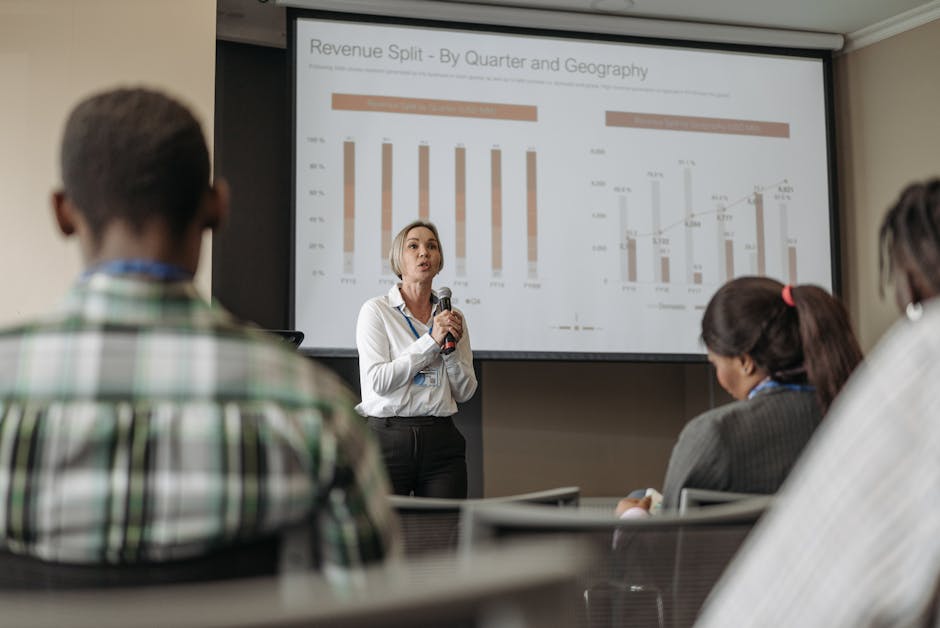
Sponsorships: The Financial Backbone
Sponsorships continue to be the primary revenue engine behind professional esports teams in 2026. With billions in audience engagement and global reach across multiple platforms, major brands are investing heavily to align with esports organizations.
Why Brands Are Investing
Youth and Tech Savvy Demographics: Esports audiences align with hard to reach consumer segments.
Cross Platform Exposure: Teams provide brand placement across live events, streams, content, and merchandise.
Global Scale: Tournaments and leagues often span international markets, appealing to global sponsors.
Understanding Tiered Sponsorship Models
Sponsorships are no longer one size fits all. Teams use a layered model to offer multiple entry points for brands:
Primary Sponsors: These lead partners get top placement on jerseys, team names, and primary content.
Secondary Sponsors: Mid level contributors who may appear on streams, secondary kits, or social media graphics.
Event Specific Sponsors: Temporary deals around campaigns, tournaments, or in game events.
This model allows teams to diversify income while offering tailored packages that match a sponsor’s budget and goals.
Deep Integration Into Content and Identity
Sponsorship visibility in 2026 is immersive and multi channel:
Live Streams: Overlays, shoutouts, and co branded giveaways.
Social Media: Sponsored posts, branded challenges, and collaborative reels.
Apparel and Gear: Jerseys and peripherals prominently feature sponsor logos.
YouTube and TikTok: Custom integrations within content formats like vlogs, tutorials, and match recaps.
The Role of Data in Strategy
Brands are demanding more than impressions they want measurable returns. Teams now use detailed performance analytics to track:
Viewer engagement and retention during sponsored segments
Social reach, click throughs, and campaign conversion rates
Fan sentiment and qualitative feedback from the community
This data driven approach makes sponsorships more efficient and attractive, enabling long term brand relationships that evolve with the team’s growth.
Sponsorships not only supply immediate revenue but also elevate a team’s marketability, visibility, and business sophistication in a competitive esports landscape.
Tournament Winnings: High Risk, High Reward
Tournament prize pools can still change a team’s fortune overnight, but the road there is rough and full of variables. The money is often massive, thanks to big sponsors and community funded events but it’s anything but stable. One year, your game gets picked up by a major organizer; the next, the scene dries up. That volatility makes winnings an unreliable revenue stream for long term planning.
And then there’s the structure: most of the cash goes to the top. Win it all, and you bring home a fat check. Place anywhere else, and the payout drops fast. This top heavy model keeps elite teams flush, while mid tier teams struggle to stay afloat. It’s created a sharp divide: a few teams fighting for championships, and everyone else chasing scraps.
That’s why consistency matters more than ever. Teams that post solid results not just fluke wins have options. They gain negotiating power with sponsors, higher brand visibility, and better chances to get into invite only events and leagues. Winnings may light the fire, but dependable performance builds long term value.
Media Rights and Streaming Deals
Exclusive platform partnerships are more than bragging rights they’re serious business. Twitch, Kick, YouTube Gaming each is fighting for top tier teams and creators by offering custom contracts with upfront guarantees, bonus structures, and audience based incentives. These deals aren’t just about playing where the fans are they’re about locking in predictable, scalable revenue.
Stream viewership itself brings in direct dollars through ads, subs, and platform revenue shares. For top teams, that alone can rival prize earnings. But the real edge? Owning your content. Replay highlights, reaction segments, full match breakdowns teams are licensing this footage out to media outlets, doc producers, and content aggregators. Once it’s on the server, it becomes an asset.
In short: streaming deals in 2026 aren’t just a broadcast decision. They’re a cornerstone of a team’s financial structure.
Merchandising and Brand Extensions

For top esports teams, merch is no longer just a side hustle it’s a core part of brand identity and revenue growth. Jerseys and performance gear still sell, but fans are also after streetwear drops, exclusive accessories, and co branded pieces with hype driven fashion labels. It’s not uncommon now to see esports capsule collections sitting alongside sneakers and skate gear.
Limited edition releases are fueling the culture. These drops create urgency, move fast, and deepen fan loyalty. When a hoodie sells out in minutes, it signals strong brand equity and generates solid cash flow.
Some teams are taking it further, ditching third party vendors and building in house merch operations. That means higher margins and tighter control over quality, timelines, and design. It’s vertical integration with real upside not just for profit, but for creative freedom. From concept to fulfillment, owning your pipeline is a flex.
Merch isn’t just merch anymore it’s one more way to stay relevant, stay visible, and build something fans actually want to wear out in the world.
Franchise Leagues and Revenue Share Models
League based ecosystems like the League of Legends Championship Series (LCS) and Call of Duty League have changed the way esports teams plan for longevity. Teams that buy into these franchised leagues don’t just compete they get a seat at the revenue table. That means a portion of media rights, merch profits, and league level sponsorships flow back to the teams. It’s not passive income, but it’s more predictable than tournament winnings.
Franchise inclusion also provides something rare in esports: stability. There’s less risk of being dropped after a bad season, and teams can build long term strategies knowing they’ll stick around. But it’s not an open door. Entry comes with high costs multi million dollar fees, proof of physical infrastructure, and a solid business model that shows you’re more than just a brand name.
Teams looking toward leagues as a core revenue stream need to think bigger than just gameplay. Franchising is part investment, part performance, and all business.
Diversifying with Content Creation
Esports teams aren’t just teams anymore they’re media brands. Increasingly, top orgs are building out full content divisions, pumping out vlog series, training tutorials, behind the scenes podcasts, and lifestyle driven segments. The goal isn’t just to rack up views. It’s to deepen the connection with fans and turn casual followers into die hard supporters.
YouTube remains the hub, but monetization doesn’t stop there. Teams are branching into paid content platforms and subscriber only models, giving fans more exclusive access think practice room footage, strategy breakdowns, or even digital meet and greets. It’s less about mass appeal and more about loyal engagement.
And with that loyal engagement comes new sponsor opportunities. When a team runs a content ecosystem that feels more like a trusted channel than a promo reel, brands want in. It’s the kind of targeted visibility traditional sponsors pay a premium for and a signal that content isn’t just a marketing side hustle anymore. It’s a revenue stream with serious upside.
Coaching, Consulting, and B2B Services
The smartest esports teams in 2026 aren’t just putting players on the stage they’re turning internal strengths into external business. Coaching departments built to shape in house talent are now being packaged and sold as premium services. From analytics driven performance reviews to strategic training modules, pro teams are offering their expertise to up and coming orgs, individual streamers, and even non endemic brands venturing into gaming.
What started as a necessity tracking player performance, reviewing match footage, optimizing in game decisions has become a product. Teams are formalizing their processes, building backend tech tools, and staffing out departments with analysts, sports psychologists, and veteran coaches. It’s not just about victory laps anymore. It’s about delivering systems that win consistently and selling that system.
This evolution shifts the team identity from a competitive machine to a knowledge business. For some orgs, consulting arms are now reliable income streams, with repeat clients and long term contracts. Learn more in The Role of Coaching and Analytics in Team Performance.
Final Take: Smart Stacking Wins
The top esports teams in 2026 aren’t betting everything on prize pools or a flashy merch drop. They’re stacking revenue streams with surgical discipline. Sponsorships, media rights, limited run merchandise, content creation, franchise revenue splits, even B2B consulting it’s all part of the mix. And no single stream carries the weight alone. That’s the key.
Financial sustainability isn’t just about surviving the off season or bouncing back from a poor tournament showing. It’s about building a brand that generates value whether the team wins or loses. Teams thinking long term are turning themselves into flexible media machines, business units that don’t crumble under a single lost deal or slump in viewership.
In 2026, the edge belongs to teams who adapt without losing their identity clear brand mission, smart monetization, and the ability to pivot when platforms, games, or formats change. It’s not the flashiest model, but it wins. On stage and off.
 Thomas Salasticsen has opinions about esports insights and analysis. Informed ones, backed by real experience — but opinions nonetheless, and they doesn't try to disguise them as neutral observation. They thinks a lot of what gets written about Esports Insights and Analysis, Game Reviews and Ratings, Upcoming Tournaments and Events is either too cautious to be useful or too confident to be credible, and they's work tends to sit deliberately in the space between those two failure modes.
Reading Thomas's pieces, you get the sense of someone who has thought about this stuff seriously and arrived at actual conclusions — not just collected a range of perspectives and declined to pick one. That can be uncomfortable when they lands on something you disagree with. It's also why the writing is worth engaging with. Thomas isn't interested in telling people what they want to hear. They is interested in telling them what they actually thinks, with enough reasoning behind it that you can push back if you want to. That kind of intellectual honesty is rarer than it should be.
What Thomas is best at is the moment when a familiar topic reveals something unexpected — when the conventional wisdom turns out to be slightly off, or when a small shift in framing changes everything. They finds those moments consistently, which is why they's work tends to generate real discussion rather than just passive agreement.
Thomas Salasticsen has opinions about esports insights and analysis. Informed ones, backed by real experience — but opinions nonetheless, and they doesn't try to disguise them as neutral observation. They thinks a lot of what gets written about Esports Insights and Analysis, Game Reviews and Ratings, Upcoming Tournaments and Events is either too cautious to be useful or too confident to be credible, and they's work tends to sit deliberately in the space between those two failure modes.
Reading Thomas's pieces, you get the sense of someone who has thought about this stuff seriously and arrived at actual conclusions — not just collected a range of perspectives and declined to pick one. That can be uncomfortable when they lands on something you disagree with. It's also why the writing is worth engaging with. Thomas isn't interested in telling people what they want to hear. They is interested in telling them what they actually thinks, with enough reasoning behind it that you can push back if you want to. That kind of intellectual honesty is rarer than it should be.
What Thomas is best at is the moment when a familiar topic reveals something unexpected — when the conventional wisdom turns out to be slightly off, or when a small shift in framing changes everything. They finds those moments consistently, which is why they's work tends to generate real discussion rather than just passive agreement.