Know When to Engage and When to Ghost
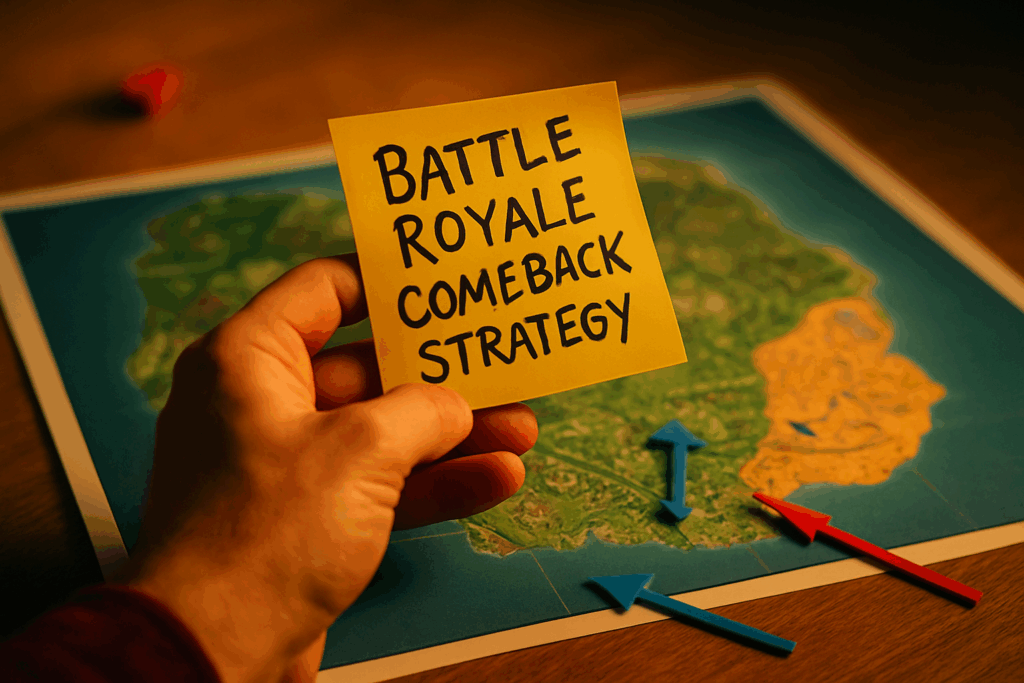
In high stakes battle royale matches, charging in blindly is a good way to make the killfeed not win the match. The best clutch players treat the map like a living thing. They read ridgelines, buildings, and open fields not just as cover or danger zones, but as tools. Terrain tells you what your options are. Take the high ground when it lets you see rotations. Tuck in low when you need to disappear. If you’re approaching a new zone, always ask: what can I see, and what can see me?
Enemy movement doesn’t lie. Footsteps, distant gunfire, and shift patterns all give away more intel than most players realize. A sudden drop in shots? Someone just third partied and cleaned up. Rapid footsteps toward a building? They’re setting up for defense. Learn to trust your ears as much as your aim. Sound cues especially in tight zones can expose enemy location, number of enemies, gun type, and even confidence level.
Disengagement isn’t cowardice. It’s clarity. If the fight doesn’t serve your position or doesn’t need to happen right now, pull back. Reset. Heal. Move to a better angle. Playing aggressive is only smart when you’re not gambling everything. A clean rotation that avoids two squads and takes you into a power position? That’s a win. Know when to ghost it’s how you stay alive for the clutch.
Master Micro Positioning Under Pressure
This is where clutches are made. In the final circles, every pixel of cover counts, and smart micro positioning can swing a 1v3 in your favor. Use rocks, slight slopes, knocked vehicles whatever’s in reach. Forget full cover; partial cover with awareness beats exposure with a clear shot. Stay low, stay mobile.
Fast peeking is more than a twitch move; it’s a timing skill. Don’t just spam corners. Learn to bait shots, then swing wide throw in a crouch or a strafe variation. Off angle shooting keeps enemies guessing. Most players aim where you should be. Show up where they don’t expect. Think one step and 20 degrees ahead.
Now add verticality to the mix buildings, cliffs, terrain dips. In late zones, elevation offers more than view; it gives dominance. But don’t tunnel vision. High ground is only good if you aren’t open to a third party. Check angles. Reposition often.
In short: don’t just move. Maneuver with intent. Turn the map into your weapon.
Smart Inventory Management = Endgame Survival
When you’re down to the final few players in a high stakes Battle Royale match, your inventory can make or break your chances of survival. Mastering what to carry and when to use it is a non negotiable skill for clutching in the endgame.
Must Carry Items for Solo Clutching
Not all loot is equal when you’re the last one standing. Prioritize tools that give you control over positioning and timing.
Smoke grenades: Crucial for repositioning, rezzing, or healing without direct line of sight.
Frag and stun grenades: Use them to break turtled enemies or flush out hard cover.
Meds: Prioritize fast heal options like syringes or first aids. Carry at least one full heal (medkit or shield battery) for emergencies.
Pro tip: Limit loot hoarding every slot counts. If it doesn’t serve a tactical purpose, leave it.
Flexible Weapon Loadouts
Your weapon choices should adapt to the terrain and circle.
Close range + mid range setups: Shotgun/SMG + DMR or AR balances pressure and control.
Optic flexibility: Holo or 2x scopes give you more versatility in shifting zones.
Silencers or flash hiders: Stay off the radar and avoid giving away your rotation paths.
Loadout tip: Think utility over style. The “meta” gun won’t save you if it doesn’t fit the map conditions or your positioning.
TTK Awareness: Plan Gear Ups for Real Combat
Time to kill (TTK) in the final circles is brutally short. Understanding the TTK of popular weapons helps you:
Pre aim or pre fire better in tight windows
Decide when to armor swap vs. heal
Pick fights based on loadout advantage
If your gun melts in 400ms and theirs in 600ms, that gap is your edge. Likewise, poor gear or low heals can turn an even 1v1 into an instant loss.
Final thought: Your inventory isn’t just your lifeline it’s your second brain. Build it with intent. Every item should earn its slot.
Predict the Enemy, Don’t Just React
If you’re waiting to see an enemy before making decisions, you’re already behind. High level clutching demands reading the battlefield before it even takes shape. That starts with the killfeed and audio. A quick mental checklist of gun sounds, knock announcements, and third party fights builds an early mental map. If you hear a DMR popping off and then silence, that squad probably just finished a fight and they’re vulnerable or looting.
Next step: reverse engineer rotations. Players don’t move randomly. They push towards cover, elevation, zone edge, or sound. Use that. If a team was spotted heading into a compound two zones ago, odds are they’re still hugging center or anchoring high ground. Reset your angle or beat them to the zone and punish the rotation.
Then there’s the psychological plays the stuff that snatches control in uneven fights. Fake healing behind a tree to bait a peek. Throwing utility not to do damage, but to force panic movement. Hard steps in one direction before doubling back quietly. These mindgames aren’t flair; they’re tools to buy you time, create space, and make your solo presence feel like a full squad. Knowing what enemies expect and then feeding them something else wins endgames.
Seeing isn’t always believing. But hearing and predicting? That’s how you outlive the chaos.
High IQ Movement Tech That Tilts Fights in Your Favor
If you’re not moving smart, you’re just a loud target. Movement tech separates the skilled from the lucky, especially when you’re solo and the odds aren’t in your favor. Start with the basics: slide cancels help reset sprint timers and tighten aim when you pop into a peek. Jump peaks give you a quick angle advantage especially when combined with directional strafing and drop prone tricks can force a shot miss or buy you one extra beat to fire first. These aren’t just flashy plays; they buy you survival seconds in gunfights that matter.
When you’ve got open ground between you and safety, you don’t run you path. Zig zag with intention. Use rocks, trees, or even enemy smoke as improvised cover. Crouch sprint behind slight hills, swing wide behind wreckage, anything to keep moving without giving up your hitbox. Straight line running gets you clipped. Smart pathing gets you to zone with meds in your bag, not chalk outlines on the ground.
Zone pressure is your second weapon. Rotate early if you’re stacked and have info. Late rotate if you’re hunting a pick off someone else’s panic. And when you trap a player between bad terrain and circle edge? That’s when you isolate fights into clean 1v1s. Terrain control isn’t just a bonus it’s how endgame gets decided.
Control the Chaos One Decision at a Time
In high pressure moments when you’re outnumbered or getting third partied the player who can stay centered often outplays the ones who panic. Clutching isn’t about being the fastest shot; it’s about staying composed long enough to make the right decision, at the right time.
Stay Calm in the Chaos
When multiple threats converge, the urge to rush or overcommit is real. Your first weapon isn’t in your loadout; it’s your ability to stay mentally steady.
Breathe and scan your surroundings instead of reacting wildly
Avoid panic firing shoot only when you have a real opening
Use downtime (healing, repositioning) to recalibrate, not tilt
Prioritize the Real Threat
Not every enemy is equal in urgency. Learning to triage danger can be the difference between a calculated win and a chaotic loss.
Immediate threats: Players with visual contact or recent shots on you
Potential threats: Those you’ve heard but haven’t seen keep tabs, not panic
Look for signs of third parties fighting each other use that to reposition or clean up
Make Smart Health Based Decisions
When your health dips below 20 HP, every decision counts. This is where your game sense, not your reflexes, wins the fight.
Know your heal time vs. enemy TTK (time to kill) is it safer to fight or heal?
Use throwables (smokes, flashes, stuns) to buy healing time or fake movement
Bait pushes with fake heals or reload sounds if you can’t outgun directly
Explore more clutching strategies in our complete tactical breakdown.
Game Isn’t Over Until You Say It Is
The gap between finishing top 10 and winning comes down to mindset. Survivors hang on. Winners shape the match.
The endgame favors players who don’t flinch. Confidence is key, but not the shaky kind built on one lucky spray. True confidence is built over dozens of 1v3s, quick rotates under pressure, and leading with intention not ego. If you’re pushing a solo wipe just to prove something, you’re playing for pride, not position. Don’t confuse bravery with recklessness.
Solo clutching is about doing more with less, and that means repetition. You need muscle memory for decision making: when to fight, when to fake, when to full send. That only comes from drill heavy reps and dissecting your past mistakes, not highlight reels.
Above all, stay cold and keep control. When the zone tightens and everyone panics, be the one who plans ahead. You’re not just playing the opponents you’re playing their assumptions.
Stay calculated, stay unpredictable clutch games aren’t won by mechanics alone. They’re won by out thinking the chaos. Want deeper tactical reads? Dive into our expert clutching strategies guide.