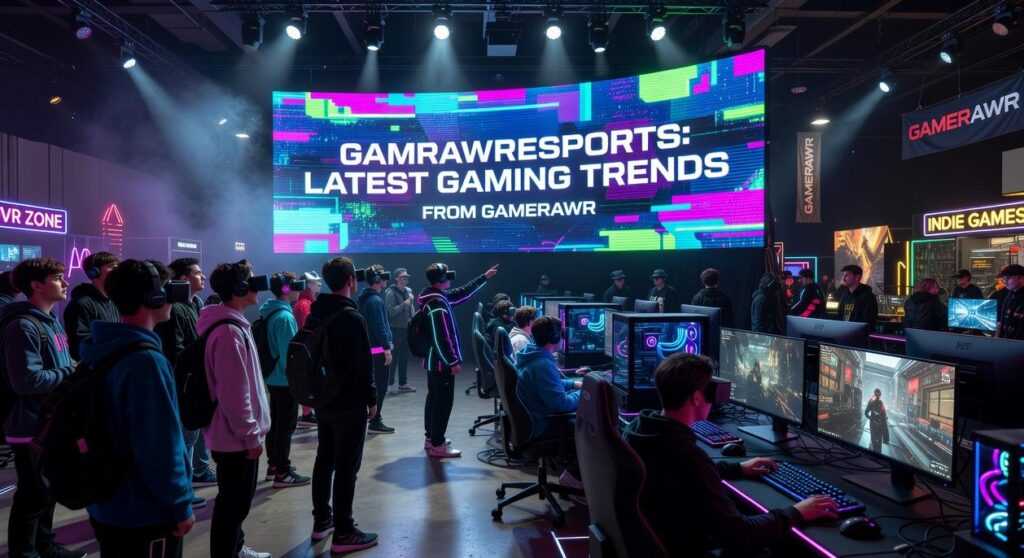
I’ve been tracking the gaming scene since before most people knew what esports meant.
You’re probably here because you can’t keep up anymore. The meta shifts every week. Tournaments drop announcements out of nowhere. Patch notes change everything overnight.
Here’s the reality: the gaming industry moves faster than any other entertainment sector. What matters today might be irrelevant tomorrow.
I watch every major tournament. I read every patch note. I talk to players who compete at the highest level.
This is your briefing on what’s happening right now in gaming and esports. Not last month’s news. Not speculation about next year. What you need to know today.
Gamrawre Sports latest gaming trends from Gamerawr cut through the noise. We focus on the developments that actually impact how you play, watch, or compete.
You’ll get the meta shifts that matter. The tournament results that changed everything. The industry moves that affect your favorite games.
No fluff about gaming culture. No hot takes that age badly. Just the information you need to stay current.
Because in competitive gaming, being a week behind might as well be a year.
The Big Picture: Industry-Wide Trends Redefining Play
AI isn’t just making games prettier anymore.
I’m watching it change how games actually work. And I mean the stuff you interact with every second you’re playing.
Take NPCs. For years we’ve dealt with guards who follow the same patrol route and say the same three lines. Now? AI-driven characters in games like Starfield are starting to react to what you actually do. They remember conversations. They change their behavior based on your choices.
Sure, some people will tell you this is all marketing hype. That AI in games is just fancy scripting with a new label.
But that misses what’s really happening behind the scenes. Developers are using machine learning to create anti-cheat systems that adapt in real time. They’re building environments that respond to player behavior in ways we couldn’t code manually.
The difference between this and old-school scripting? Scale and adaptation.
Now let’s talk about something that went from nice-to-have to make-or-break.
Cross-platform play used to be a selling point. You’d see it in trailers and on the back of the box. These days? Players expect it from day one.
I’ve seen communities split because a game launched without cross-play support. Friends on different platforms couldn’t squad up, so they just moved to something else.
The technical side is messier than most people realize. Balancing mouse and keyboard against controller isn’t simple. Neither is syncing different update schedules across PlayStation, Xbox, and PC. As the complexities of syncing various platforms and balancing input methods become increasingly apparent, it’s clear that organizations like Gamrawresports are essential in navigating these technical challenges to create a more unified gaming experience.
But developers are figuring it out because they have to. The alternative is a fractured player base and longer matchmaking times.
Speaking of player expectations, we need to address the elephant in the room.
Live service games.
Some of you just rolled your eyes. I get it. We’ve all been burned by games that launch half-finished with a promise to “add content later.”
But here’s where most coverage gets it wrong. They lump all live service models together like they’re the same thing.
They’re not.
Fortnite keeps players coming back with fresh content and events that actually matter. Apex Legends balances new legends and map changes without making you feel like you’re missing out if you take a break.
Then you’ve got games that nickel and dime you for basic features. Or worse, launch with a battle pass that feels like a second job.
What changed? Players got smarter about what they’ll tolerate.
You can check out more about these shifts at gamrawresports latest gaming trends if you want the full breakdown.
The bottom line is this. Games as a Service isn’t dead. But the old playbook doesn’t work anymore. Players want content that respects their time and money, not systems designed to squeeze every dollar out of their wallet.
The Esports Arena: What’s Dominating the Competitive Scene

You want to know what’s actually winning in competitive gaming right now?
Not what some analyst thinks will be big next year. What’s pulling viewers and prize money today.
I watch this stuff closely. The top of the esports food chain hasn’t changed much, but the reasons why these games stay there keep evolving.
Valorant, League of Legends, and Counter-Strike 2 own the space. That’s not news. What matters is understanding why they’re not going anywhere.
Each one built something that’s hard to replicate. Riot’s got the infrastructure and the money to keep LoL fresh after more than a decade. Valorant hit the sweet spot between tactical shooters and accessible gameplay. And CS2? It’s the same game people have been grinding since 2012, just polished up.
Their fanbases don’t just watch. They invest time learning the meta and following rosters through entire seasons.
But here’s where it gets interesting.
Mobile Legends: Bang Bang is pulling numbers that would shock you if you only follow Western esports. The Southeast Asian scene is massive. Then there’s Tekken 8, which brought fighting games back into serious tournament discussion after years of being the scrappy underdog genre. As the Southeast Asian esports scene continues to dominate with titles like Mobile Legends: Bang Bang and the resurgence of fighting games through Tekken 8, the insights shared in the New Gaming Infoguide Gamrawresports are becoming essential for anyone looking to grasp the magnitude of this thriving competitive landscape.
I’ll be honest though. Predicting which challenger actually breaks through? That’s tough. We’ve seen games with perfect mechanics fail because the publisher didn’t commit to the esports infrastructure.
The tournament format shift is real. We’re moving away from those giant international events that happened twice a year. Now it’s regionalized leagues that run for months. Teams get stable salaries. Organizers spend less on flying 50 teams across the world.
Makes sense financially. Some fans miss the spectacle of a massive world championship, but players prefer knowing they’ve got consistent income.
Take VCT Masters recently. Paper Rex ran this aggressive five-man rush strategy on Bind that everyone thought was outdated. They used it exactly twice in the tournament, both times when opponents expected standard defaults. Caught teams completely off guard and secured map wins they had no business getting.
That’s the kind of gamrawresports latest gaming trands from gamerawr that changes how teams prepare.
The meta isn’t just about aim anymore. It’s about knowing when to break your own patterns.
Inside the Game: Meta Shifts and Player Strategies
Valorant’s latest patch dropped three weeks ago and everyone lost their minds.
Riot nerfed Jett’s dash and suddenly half the player base acted like the game was broken. Pro teams scrambled to rebuild their entire compositions. Content creators pumped out videos claiming the meta was dead.
But here’s what nobody’s saying.
The Jett nerf didn’t kill aggressive play. It just exposed players who relied on a crutch.
I watched the VCT matches before and after. Teams like LOUD and Paper Rex? They adapted in days. They moved their star duelists to Raze and Neon. The aggressive style stayed. Only the execution changed.
Most players think pro strategies don’t apply to ranked. They see a five-stack coordination play and assume it’s useless in solo queue.
Wrong.
Take the current double-controller setup that’s dominating pro play. You don’t need voice comms to make it work. You just need to understand the concept. More smokes means more map control. More map control means better site takes.
I’ve been running Omen-Viper combos in Diamond lobbies (without a premade team) and my win rate jumped 12% in two weeks.
The new gaming infoguide gamrawresports covers how data is changing everything. Pro teams now use pick rate analytics and heatmap tracking before every match. Sites like Tracker.gg and Blitz show you the same information.
Here’s the part that matters.
Your opponents are already using this data. They’re checking which agents have the highest win rates on specific maps. They’re studying where players die most often. As you strategize to outmaneuver your opponents who are already leveraging data on agent win rates and player death locations, you might find yourself asking, “Which Gaming Monitor Should I Buy Gamrawresports” to ensure your setup gives you the competitive edge you need.
If you’re not doing the same, you’re playing blind while everyone else has a radar.
The meta didn’t shift because of one nerf. It shifted because players finally started making decisions based on numbers instead of feelings.
Stay Ahead of the Game
You now know the key trends defining modern gaming.
I’ve cut through the noise to show you what actually matters. From AI’s impact on development to the specific strategies winning tournaments, you have the information you need.
The gaming world never stops moving. New metas emerge and competitive landscapes shift overnight.
Here’s what you need to do: Bookmark our esports section and check back for daily news. We publish in-depth reviews and tournament coverage that give you the competitive edge.
You came here to stay current. Now you have the tools to do it.
The difference between winning and losing often comes down to who has better information. We make sure you’re never playing catch-up.
Gamrawre Sports delivers the latest gaming trends from Gamerawr that competitive players and fans actually use. Our analysis is built for people who take gaming seriously.
Don’t let the competition get ahead of you. Stay informed and keep coming back. Homepage.