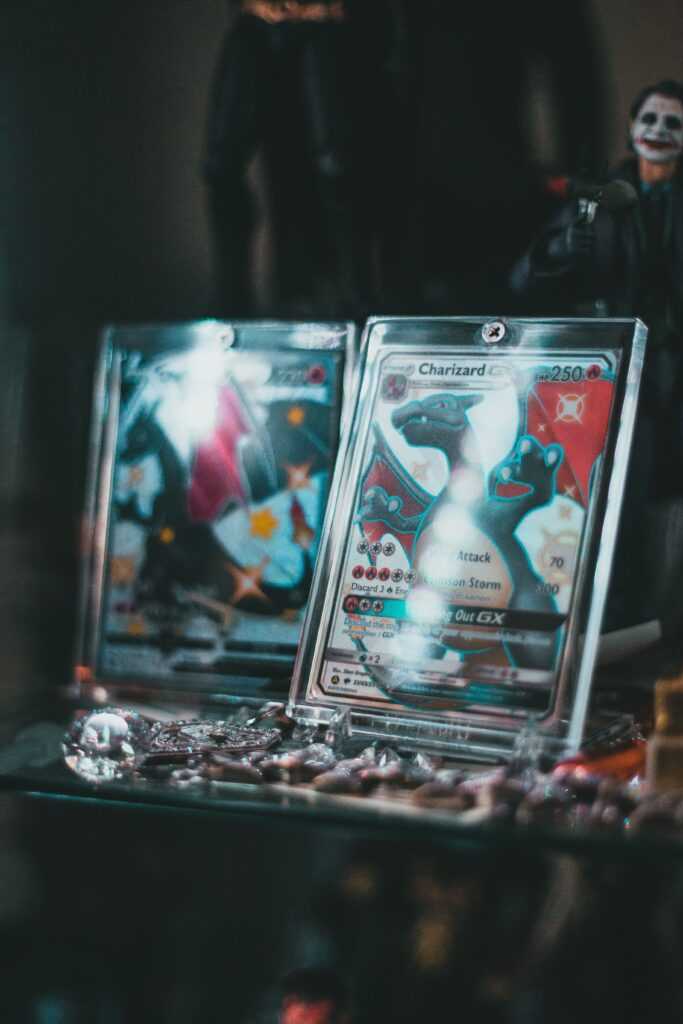
Getting into Pokémon card collecting today is really exciting, but it also helps to have a plan. Here’s how to build a collection with purpose in 2026.
The Pokémon Trading Card Game really continues to grow with huge new releases and incredible artwork arriving every year. If you’re starting from scratch, the number of products on shelves can feel overwhelming. The good news is that with a clear strategy, it’s much easier to build a collection you’ll genuinely enjoy while avoiding unnecessary purchases.
Choosing a Collecting Goal
Before you buy your first booster pack, decide what you actually want to collect. With more than two decades of releases available, buying at random rarely leads to a collection that feels complete. Without a goal, it’s easy to end up with stacks of duplicate cards that take up space and quickly eat into your budget without adding much to your binder.
You might aim to complete a specific expansion, collect every version of your favorite Pokémon or focus on rare illustrated cards. Some collectors build entire binders around a single artist, turning each page into a carefully curated gallery of their work.
Others enjoy the competitive side of the game and concentrate on collecting playsets of cards used in tournament decks.
Choosing your direction early makes every purchase more intentional. It also helps you set a realistic budget, trade duplicates more effectively and build a collection that reflects your interests rather than chasing every new release.
Utilizing Modern Tracking Tools
As your collection grows, keeping track of everything becomes much harder with handwritten lists. Digital tools make it easier to organize your binder while staying on top of changing card values.
Many collectors use the Cardtrack pokemon card tracker to monitor price movements across multiple major online marketplaces. It brings together live pricing data for more than 20,000 unique cards, making it easier to compare both raw and graded values. Digital tracking also lets you scan cards quickly and spot significant price movements as they happen.
Card prices can change rapidly after major regional tournaments or shifts in the competitive meta. Keeping an up-to-date digital inventory helps you avoid selling valuable cards below market value or paying too much when you’re hunting for a missing piece.
Understanding Rarity and Set Variants
Learning how modern rarities work is one of the most useful skills for any new collector. The rarity symbols and set information printed along the bottom of the card reveal far more than many beginners realize.
Current expansions include standard commons, uncommons and rares, along with highly sought-after Special Illustration Rares. These premium cards feature detailed full-art designs that often attract strong demand on the secondary market.
Some of the main rarity categories include:
- Common and Uncommon: The standard cards found in every booster pack.
- Holo Rare and Ultra Rare: Cards featuring foil finishes across the artwork or the entire card.
- Illustration Rare and Special Illustration Rare: Full-art alternate versions with distinctive artwork.
Knowing these differences can help you avoid accidentally trading away a valuable variant for a standard version. It’s also worth checking the exact set number printed beside the rarity symbol before completing any trade.
Navigating the Retail and Secondary Market
Buying sealed products from reputable retailers gives you confidence that packs haven’t been tampered with or weighed, which has become more common over time. If you enjoy opening packs, booster boxes generally provide the best value per pack.
If your goal is to complete a set, however, buying individual cards from trusted local game stores or verified online sellers is usually the more cost-effective option. Rather than relying on luck, you can purchase exactly the cards you still need.
When using online marketplaces, take time to review seller feedback and transaction history before making a purchase. Be cautious of listings that use blurry photos, stock images or vague descriptions without clear condition details such as “Near Mint” or “Lightly Played.” It’s also worth checking the platform’s buyer protection policies before spending larger amounts.
Don’t overlook your local collecting community, either. Trade nights and local game stores often lead to fair trades, better prices and trusted relationships that can save both money and shipping costs.
Protecting and Storing the Binder
Looking after your cards is just as important as finding them. Even small scratches or edge wear can have a noticeable impact on a card’s value, especially if you ever decide to have it professionally graded. Placing cards into sleeves immediately after opening them helps preserve their original condition.
For long-term protection, use archival-quality storage such as acid-free penny sleeves and rigid top loaders for your most valuable cards. Side-loading zip binders are an excellent choice for larger collections because they protect against dust, moisture and accidental drops while keeping cards securely in place.
Traditional three-ring binders are generally best avoided, as they can leave ring indentations over time. Storing your collection upright in a cool, dark, temperature-controlled space also helps prevent warping and fading, keeping your cards in the best possible condition for years to come.
 There is a specific skill involved in explaining something clearly — one that is completely separate from actually knowing the subject. Jacobilly Christopherson has both. They has spent years working with latest gaming news in a hands-on capacity, and an equal amount of time figuring out how to translate that experience into writing that people with different backgrounds can actually absorb and use.
Jacobilly tends to approach complex subjects — Latest Gaming News, Esports Insights and Analysis, Expert Commentary being good examples — by starting with what the reader already knows, then building outward from there rather than dropping them in the deep end. It sounds like a small thing. In practice it makes a significant difference in whether someone finishes the article or abandons it halfway through. They is also good at knowing when to stop — a surprisingly underrated skill. Some writers bury useful information under so many caveats and qualifications that the point disappears. Jacobilly knows where the point is and gets there without too many detours.
The practical effect of all this is that people who read Jacobilly's work tend to come away actually capable of doing something with it. Not just vaguely informed — actually capable. For a writer working in latest gaming news, that is probably the best possible outcome, and it's the standard Jacobilly holds they's own work to.
There is a specific skill involved in explaining something clearly — one that is completely separate from actually knowing the subject. Jacobilly Christopherson has both. They has spent years working with latest gaming news in a hands-on capacity, and an equal amount of time figuring out how to translate that experience into writing that people with different backgrounds can actually absorb and use.
Jacobilly tends to approach complex subjects — Latest Gaming News, Esports Insights and Analysis, Expert Commentary being good examples — by starting with what the reader already knows, then building outward from there rather than dropping them in the deep end. It sounds like a small thing. In practice it makes a significant difference in whether someone finishes the article or abandons it halfway through. They is also good at knowing when to stop — a surprisingly underrated skill. Some writers bury useful information under so many caveats and qualifications that the point disappears. Jacobilly knows where the point is and gets there without too many detours.
The practical effect of all this is that people who read Jacobilly's work tend to come away actually capable of doing something with it. Not just vaguely informed — actually capable. For a writer working in latest gaming news, that is probably the best possible outcome, and it's the standard Jacobilly holds they's own work to.