What Makes an Esports Team Click in 2026
Pro esports teams in 2026 don’t just throw five top ranked players into a server and hope for the best. Success comes from structure. Most teams mirror the setup of traditional sports: clear roles, layered strategy, and a network of support staff behind the scenes.
A standard team includes core players usually five starters and often a few backups for flexibility. But what separates contenders from pretenders is how these people fit together. It’s not about stacking raw talent anymore. One superstar can’t carry a team if the others can’t sync. Cohesion and role clarity win championships.
Then there’s the bench outside the game. Coaches shape macro strategy and help improve decision making between matches. Analysts crunch game data, flag weaknesses, and prep counter strats. Support staff handle everything from scrim scheduling to mental health. When it all runs smoothly, players just play. But when one piece breaks down, the whole system wobbles.
Bottom line? Pro teams in 2026 run like high performance machines. Talent matters but it’s structure and synergy that make it all work.
Communication is the Backbone
Winning in pro esports isn’t just about who aims better. It’s about who talks better smarter, faster, clearer. Real time shot calling separates top tier teams from the pack. Mid match decisions, like shifting targets or re routing a push, often outweigh anything drawn up on a whiteboard. That doesn’t mean pre planned strategies are outdated. On the contrary, they’re the framework most teams rely on to stay synced. But it’s the in the moment calls that keep things from falling apart when the script gets shredded.
Synergy doesn’t show up overnight. It’s forged through reps grinding scrims, watching VODs, and learning each other’s rhythms. The best teams move like one unit because they’ve built trust through hours of play. They anticipate, adapt, and back each other without second guessing. It’s messy early on. Misreads happen. Tempo gets lost. But with time, tight communication becomes second nature.
And then there’s the wildcard: language. Many top teams now come from mixed regions, which means English (or any shared language) becomes the lifeline. But communication isn’t just words tone, pacing, stress cues all matter. Teams that navigate language gaps well are the ones that simplify comms and refine them down to essentials. When every second matters, clarity wins.
Trust, Tilt, and Team Culture
Mechanical skill gets a player into the room. What keeps them there and what pushes a team into playoffs is emotional intelligence. At the pro level, reflexes are standardized. What separates stacked rosters from real winning squads is how players handle stress, share losses, and keep each other grounded.
Egos can kill momentum fast. Every team has internal friction; the good ones face it head on. Squashing drama early, knowing how to reset after a misplay, or giving space when needed this is the soft skill stack that serious teams develop. It isn’t just the coach’s job either. Players have to buy in and learn to self regulate.
Tilt is a killer. Losing a round is one thing; spiraling is another. Top tier teams build systems for bounce back a short reset protocol, a calming presence on comms, or in game rituals that shut down overthinking. The best squads can take a loss, shake it off, and re enter locked in.
In 2026, it’s not just about who lands headshots. It’s about who handles heat without burning out.
Coaching and Leadership
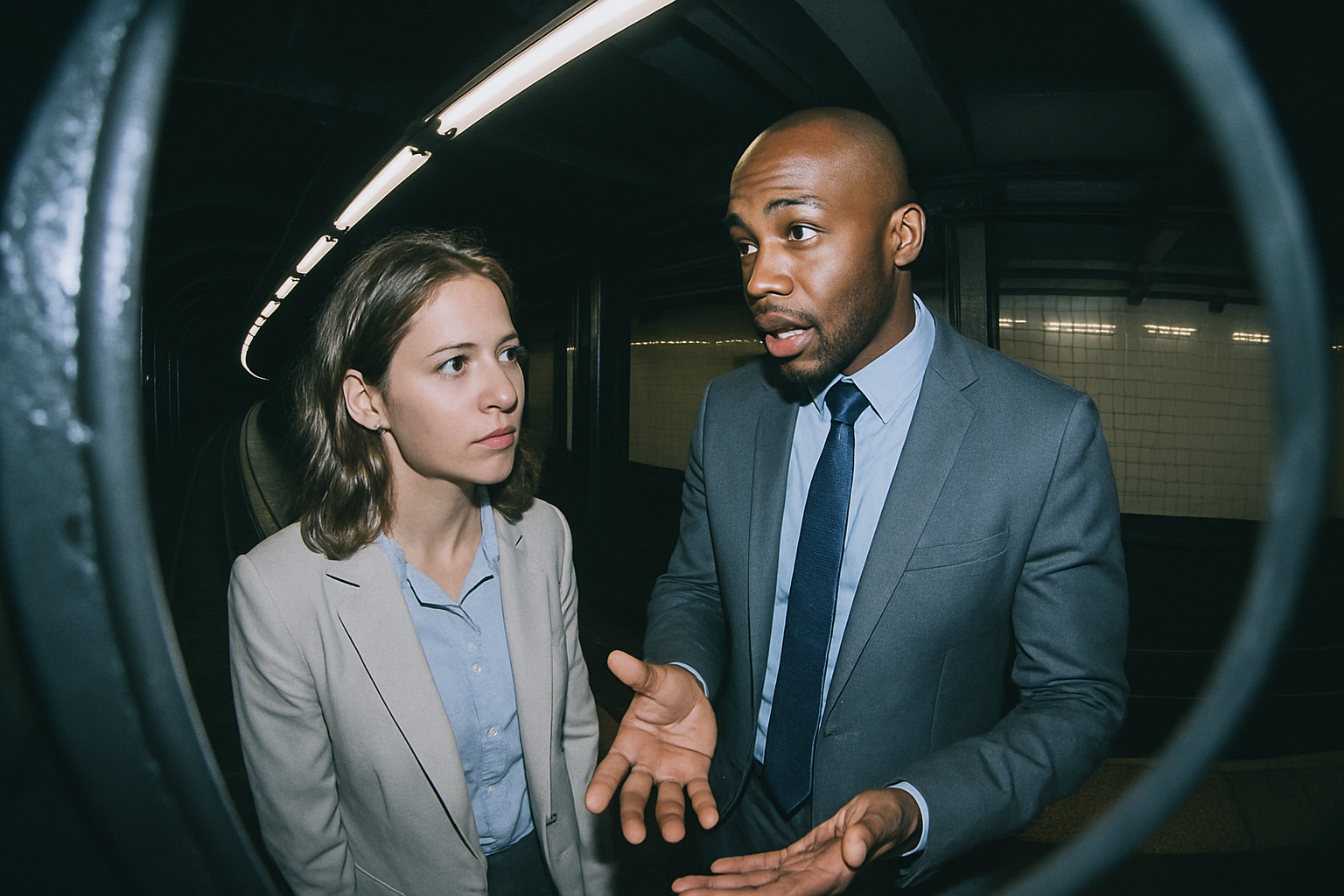
Since the early 2020s, esports coaching has grown out of its scrappy roots. Back then, a coach was often just a retired player calling strats with a headset and a spreadsheet. Now it’s a full fledged profession. Today’s coaches are part tactician, part psychologist, part disciplinarian. They study game tape, yes but also body language, stress patterns, and communication flow. The new blueprint? Structure, mindset, and execution.
Performance psychology sits at the center of this evolution. Top tier orgs now employ sports psychologists or mental performance consultants who train players the way elite athletes are trained in traditional sports. Mental reset routines, emotional resilience, and habit formation have replaced rage fueled scrims and inconsistent grind sessions. Discipline isn’t optional anymore it’s the baseline.
And while coaches steer from the tactical sidelines, in game leaders (IGLs) remain the heartbeat inside the server. Strong IGLs don’t just make calls they set tempo, read momentum shifts, and rally their squads in crunch time. A reliable IGL today isn’t just vocal; they’re emotionally grounded and trusted. The best make everyone around them better.
Esports leadership in 2026 demands more than sharp mechanics or a high win rate. It demands structure, self awareness, and someone who can keep a team calm when everything’s on fire. The game has changed and coaching keeps it running.
Roster Changes and Team Chemistry
Swapping players in and out might fix a problem short term, but in the long haul, it often leaves more damage than gain. Constant roster shuffles can kill chemistry before it ever has a chance to form. Esports is a game of split second decisions, and when a team hasn’t played together long enough, trust erodes, coordination slips, and mistakes compound.
Top organizations are starting to shift focus. Instead of chasing raw firepower every split, they’re playing the long game doubling down on core players who mesh well, share goals, and build habits together. It’s not just about who can land the flashiest play; it’s about who can grind through scrims, adjust mid tournament, and stay cool when everything’s on the line.
Some orgs are even investing in development rosters B teams built to train synergy, not just stats. These squads scrim alongside main rosters, experiment with team comps, and develop playstyles that align with the org’s philosophy. Cohesion is the new clutch. It might not show up on highlight reels, but it’s what wins championships.
The Business Behind the Team
Money changes everything. In esports, it’s not just about prize pools organizational budgets, sponsor deals, and investor expectations directly shape how teams operate day to day. Financial decisions made in boardrooms often decide who gets benched, who gets traded, and whether a roster stays intact long enough to build real chemistry.
Top tier sponsorships bring resources, but they also come with strings. Organizations chasing big name brand deals may prioritize content creation or flashy marketing friendly rosters over long term stability. That creates stress on players, especially when winning alone isn’t enough. If your face doesn’t fit the brand or your stream numbers dip, you’re replaceable.
On the flip side, teams that focus on sustainable budgets and long term investment in players build trust and performance. Stable salaries, transparent contracts, and realistic performance expectations let players focus on the game, not their paycheck or sudden trades. These are the teams that tend to peak when it counts.
Understanding the money trail is a must for anyone serious about the game. For a closer look at how organizations make and spend, check out The Economics of Esports: How Teams Make Money.
Final Take: It’s Not Just a Game
The best teams in 2026 aren’t thrown together they’re built like machines. Each piece has a purpose, and nothing is left to chance. Performance starts with structure: clear roles, simple systems, and tight coordination. It’s not flashy, but it works.
Raw skill alone doesn’t win championships anymore. Teams that dominate play the long game. Chemistry gives them trust. Communication gives them speed. Culture keeps them aligned when things go sideways. These aren’t luxuries they’re non negotiables.
The mental game is what separates top tier from tier two. Mindset coaching, stress training, focus work this stuff matters. Because when the skill gap closes, the team that holds together under pressure is usually the one still holding the trophy.